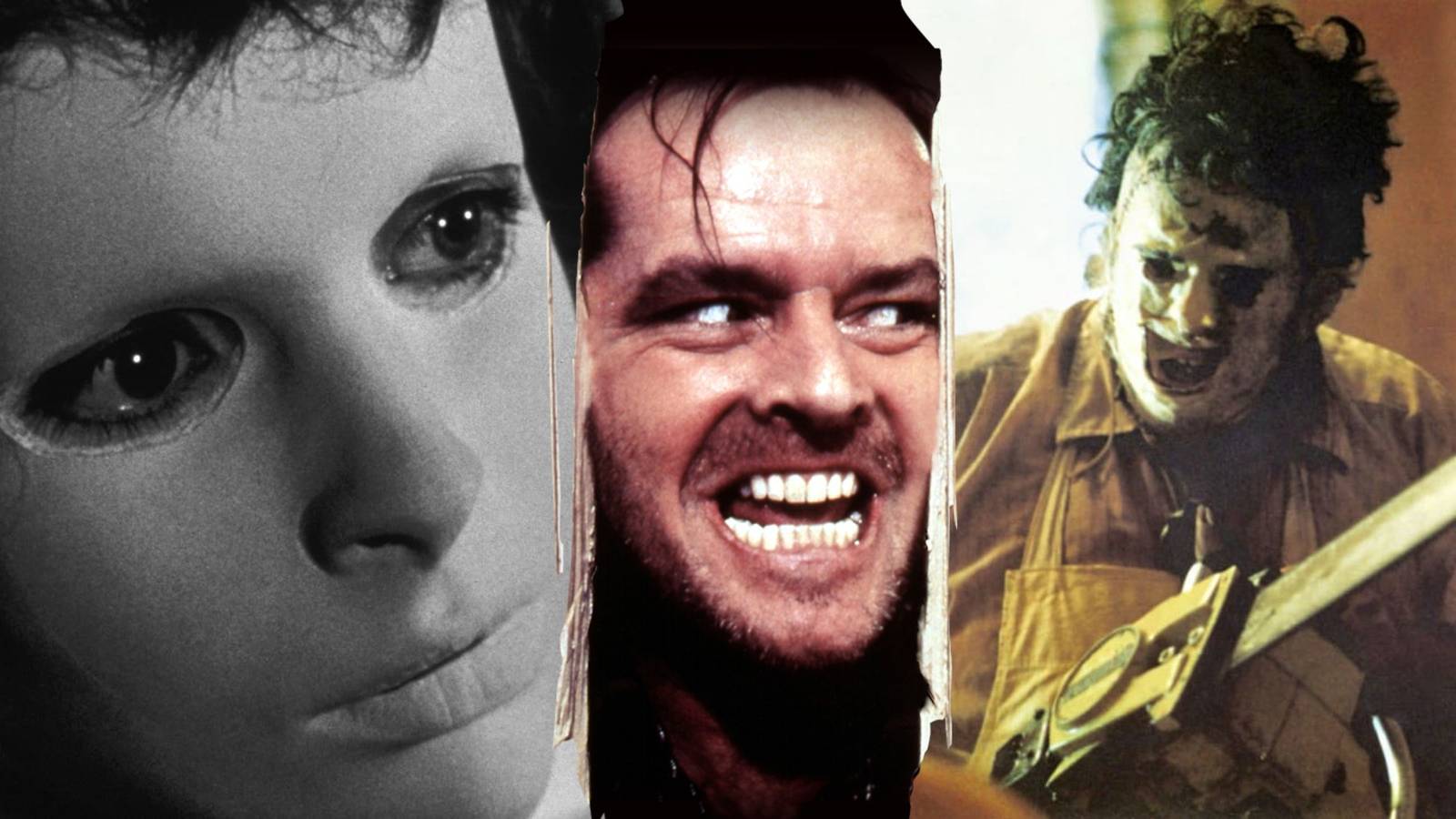
The best horror movies of all time are the films that–either by intent or pure accident–helped to shape the time period’s understanding of what the genre could offer to audiences. These groundbreaking films often achieved this by pushing the boundaries of what could be shown outright or even just implied. Many of them were poorly received on release as a result but endured as indelible nightmares that struck a very particular collective nerve.
Even if their most shocking visuals no longer hold water with thrill seekers today, the core insights of their journeys into the darkest recesses of the human soul still have the ability to send chills down the spine. Luckily, modern horror fans have to worry about censorship and brief theatrical windows less these days and can stream many of the scariest horror movies of all time from the comfort of their own homes on some of the biggest streaming services.
Ghost stories, supernatural chillers, serial killer mysteries, and some of the earliest slashers make up an irresistible list of the best horror movies of all time, and every kind of horror fan can find something to love within it.
The Evil Dead (1981)
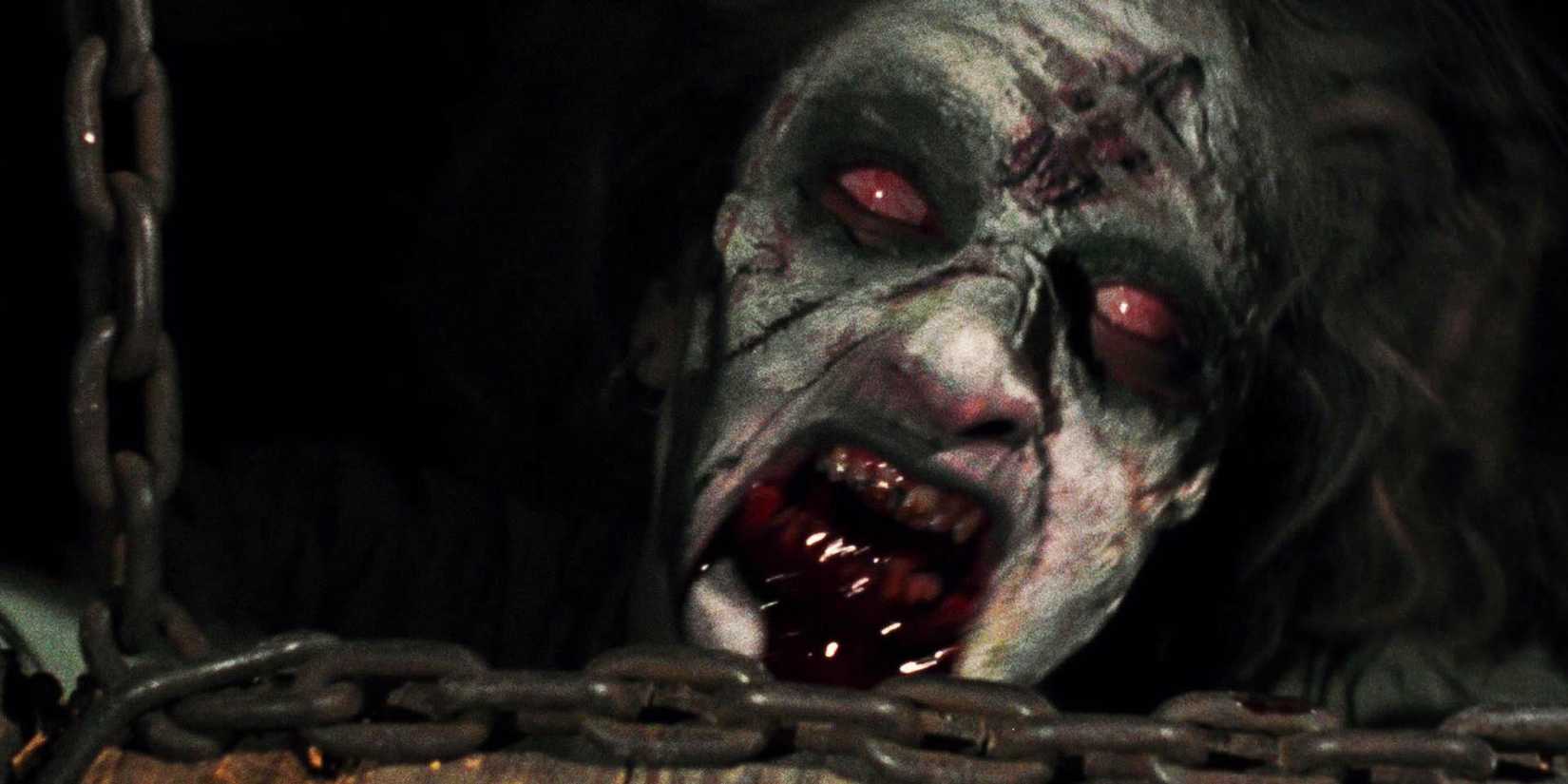
Sam Raimi became a horror movie pioneer with his bold and inventive low-budget masterpiece The Evil Dead. The movie takes a very simple premise that has since been copied endlessly in the genre as it follows a group of young friends who venture into the woods for a getaway at a secluded cabin only to awaken a deadly spirit.
The Evil Dead inspired countless aspiring filmmakers by showing what can be done with an independent movie Raimi’s manic filmmaking style created a wild and terrifying journey into darkness with gore and bile that helped earn it a place as one of the best X-rated movies of all time.
Sinners (2025)
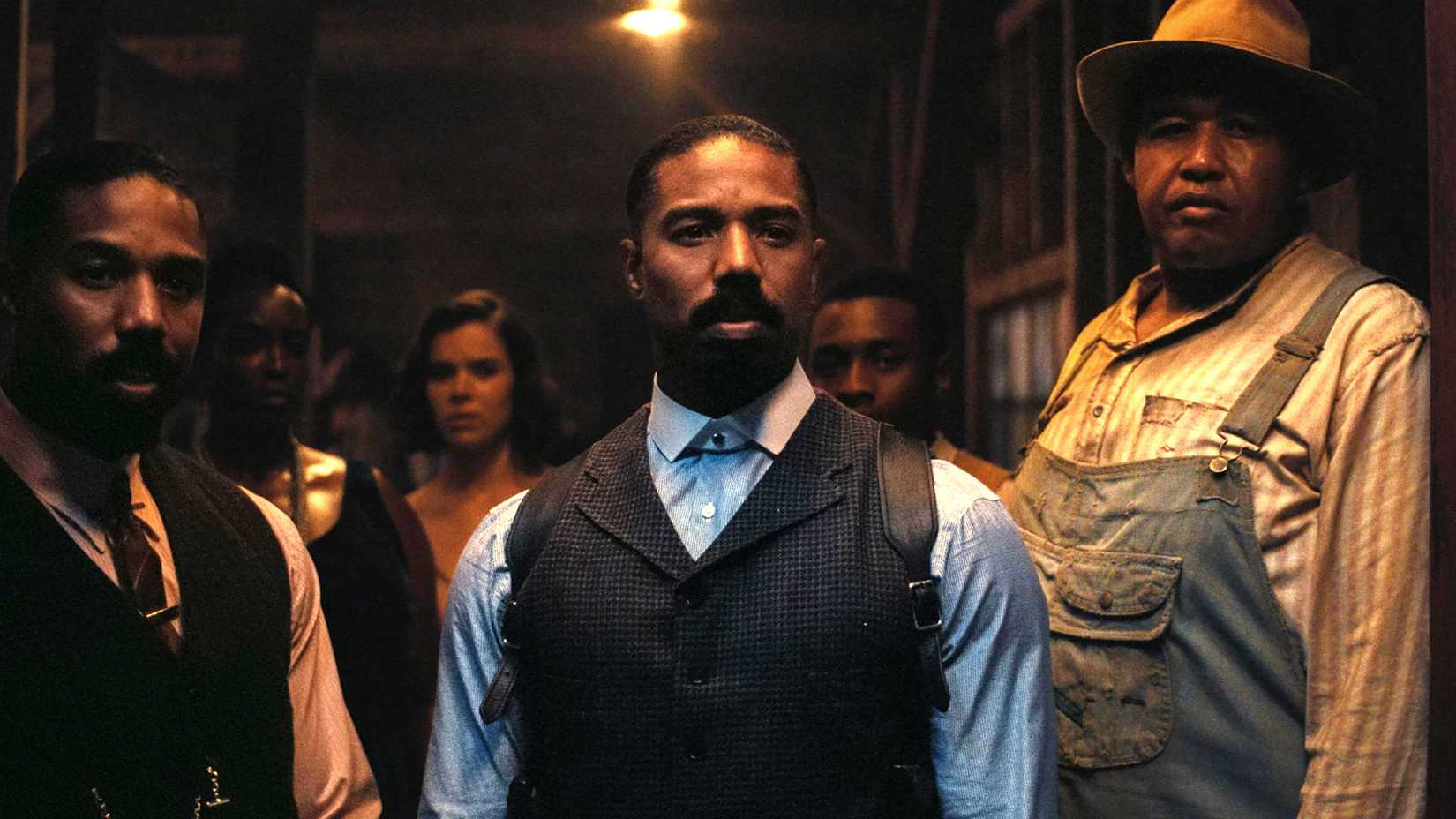
Sinners belongs in any conversation about the greatest horror movies ever made because it understands that the genre’s most powerful stories are about far more than monsters. Ryan Coogler combines Southern Gothic atmosphere, vampire mythology, historical drama, and musical storytelling into something that feels completely original while remaining deeply rooted in horror tradition.
Sinners is packed with memorable scares and striking imagery, but its real strength comes from the way it uses horror to explore racism, exploitation, faith, and cultural identity. Michael B. Jordan anchors the story with an extraordinary dual performance, and Coogler builds tension with extraordinary patience before unleashing moments of genuine terror.
Sinners’ music is equally essential, turning key sequences into haunting celebrations of heritage and resistance. Few modern horror movies feel this ambitious or this confident. Sinners achieves the rare feat of feeling both timeless and entirely new.
Possession (1981)
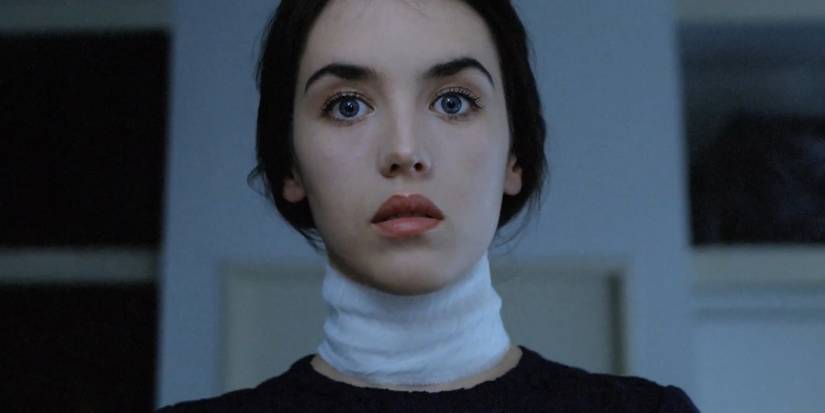
Although not as well-known as some of the other movies on this list, 1981’s Possession is one of the best horror films and one of the best movies of all time. The French-German psychological horror film from director Andrzej Żuławski follows married couple Anna and Mark as a series of supernatural events begin surrounding them after Anna reveals that she has been having an affair.
Isabelle Adjani’s performance as Anna is one of the best performances in horror history, with her stealing every scene from other great Possession actors like Sam Neill. Possession is a perfect example of using horror to explore social themes, with even the title perfectly tying in to the dissolution of Anna and Mark’s marriage.
Possession is much more personal than many other horror films, but the scale and subtleties are what make the movie great, with it being in the top 20 horror movies of all time.
Alien (1979)
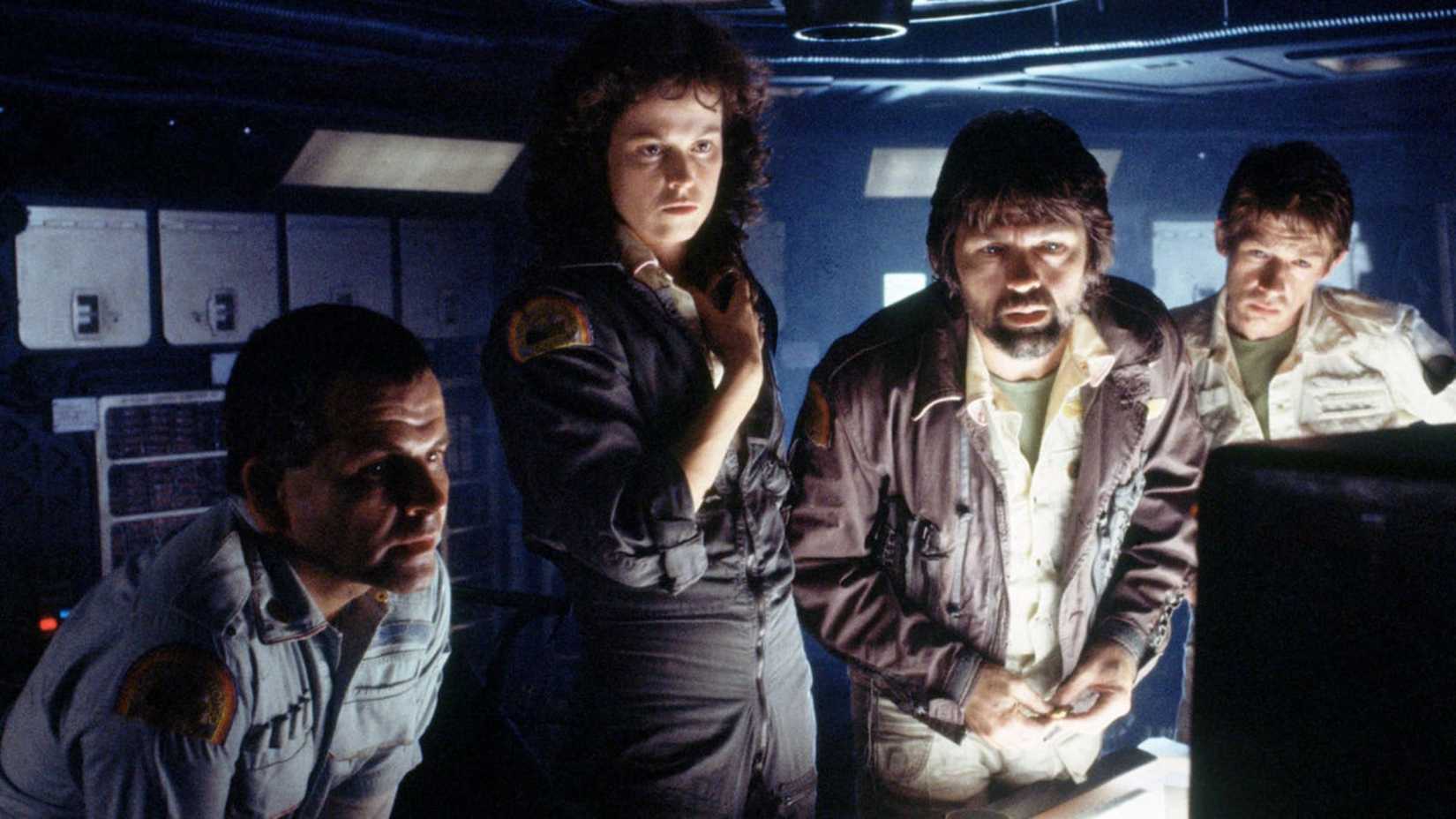
Sci-fi horror movies have created some true masterpieces over the years, but it still feels as if they are all chasing the brilliance of Ridley Scott’s Alien. The movie takes place in the distant future and follows the crew of an industrial spaceship that responds to a distress signal and leads to them accidentally bringing a deadly alien on board.
While the Alien franchise expanded in some thrilling ways from here, the claustrophobic monster movie feel of the original is hard to top. Sigourney Weaver is a great horror hero as Ellen Ripley but the alien itself steals the show as one of the greatest movie monster designs ever created.
Get Out (2017)
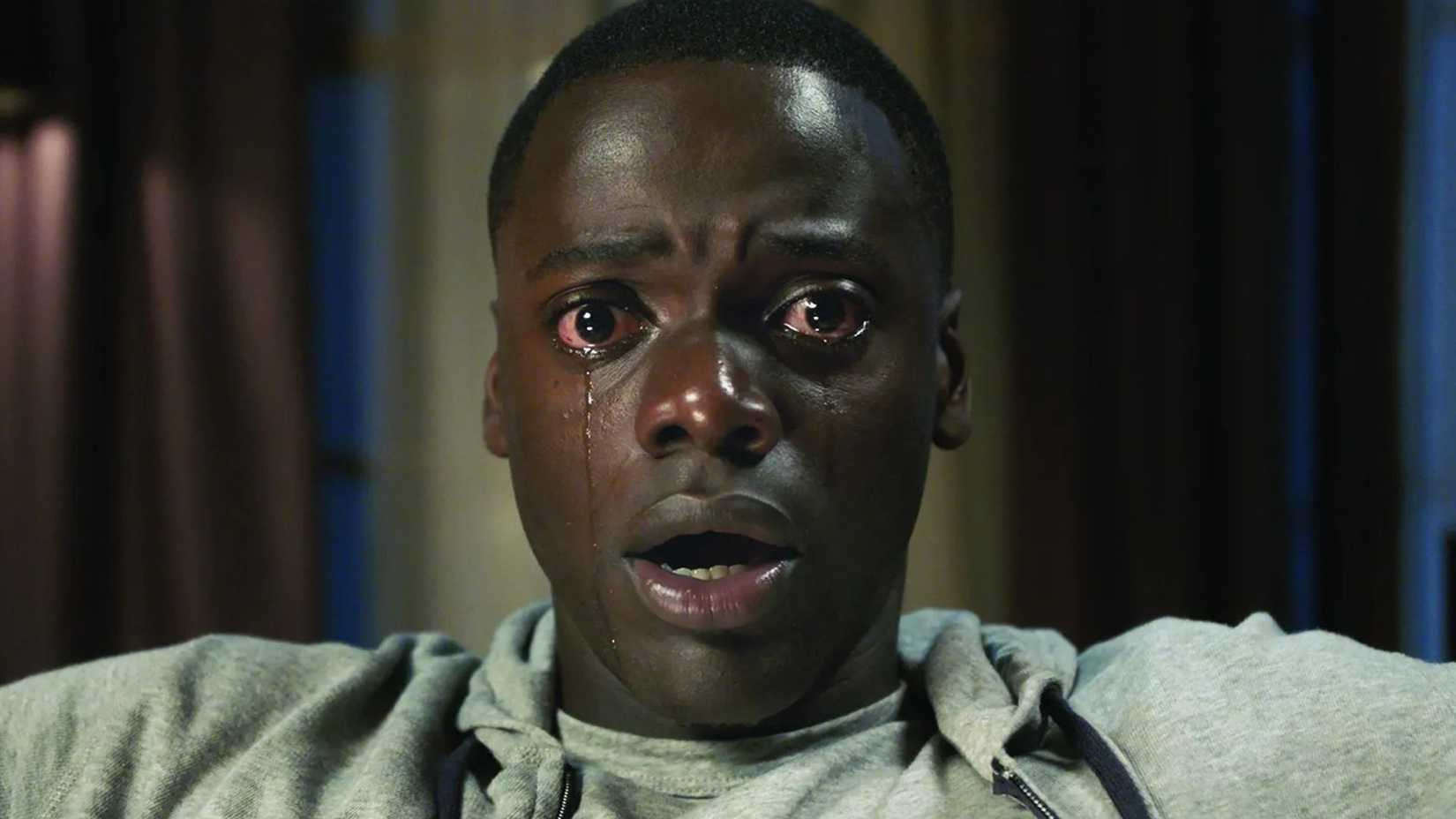
Jordan Peele went from a celebrated comedian to one of the most exciting new filmmaking voices around with Get Out. The astoundingly original story follows Chris (Daniel Kaluuya), a young black man visiting his white girlfriend’s family for the first time and finds that his troubles go far beyond the social awkwardness of the situation.
Get Out is a gripping ride from the opening scene and maintains its eerie tone as Chris and the audience grow increasingly uncomfortable with the situation. The reveal further turns Get Out into a smart and insightful social commentary while never losing grasp of being an entertaining horror movie.
Frankenstein (1931)
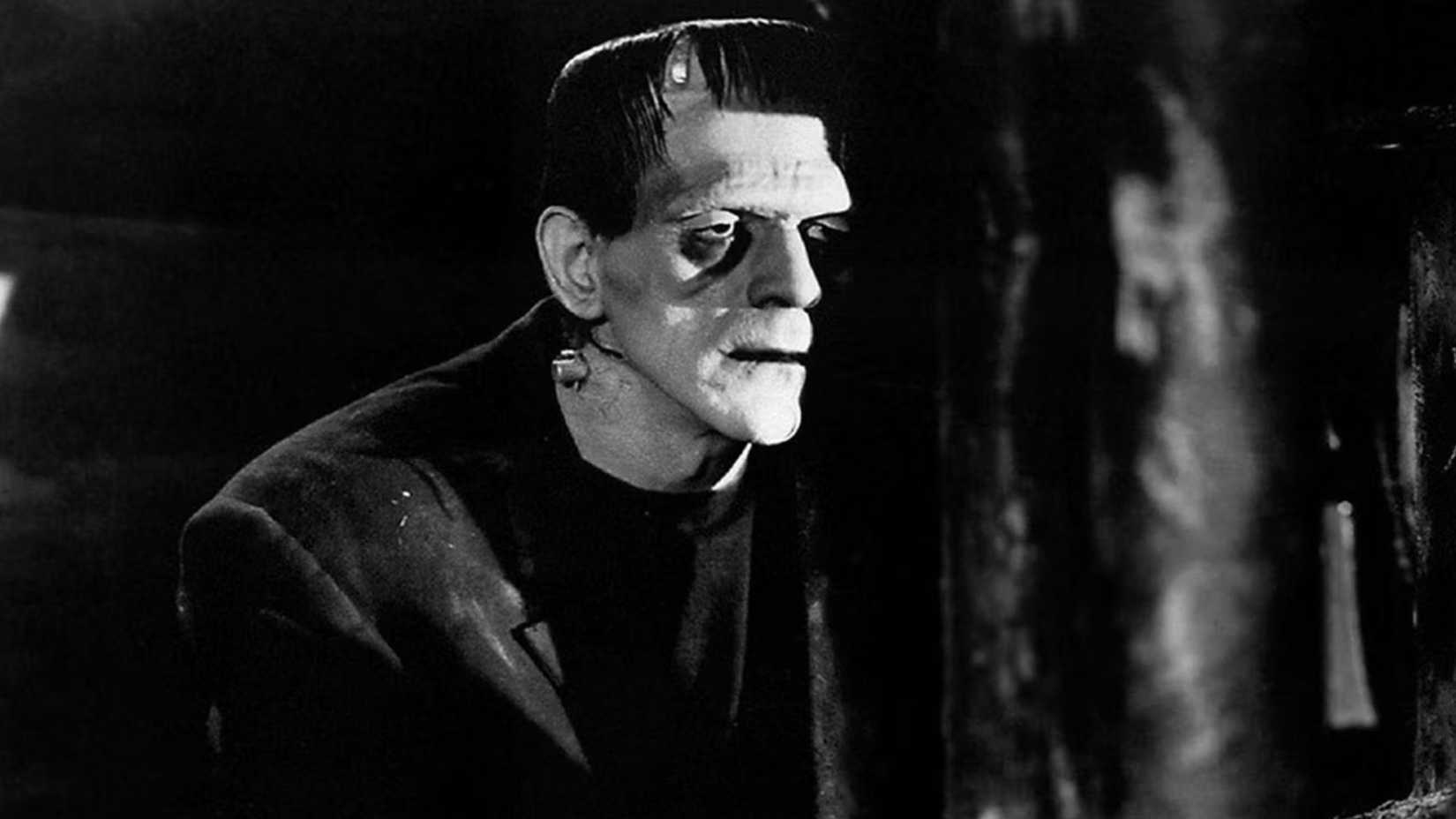
Although it is difficult to find these films scary, it would be a sin to discuss the greatest horror movies of all time without discussing the Universal Monsters movies. While movies like Dracula and The Mummy are iconic, 1931’s Frankenstein is in an entirely different league, with it being the most critically acclaimed of these classic movies.
Boris Karloff’s Frankenstein’s monster is one of the most iconic monsters in movie history, with it defining the look, behavior, and tone of the beloved creature. On top of that, Universal’s Frankenstein was one of the first films to use the horror genre to ask the question of who the real monster is.
Examining the humanity of monsters is a theme that has been ever present in the genre, with this elevating Frankenstein over other Universal Monsters like Dracula, The Mummy, or the Wolf Man. It is impossible to overstate the influence of these Universal Monsters movies, with Frankenstein being the most impactful of them all.
Halloween (1978)
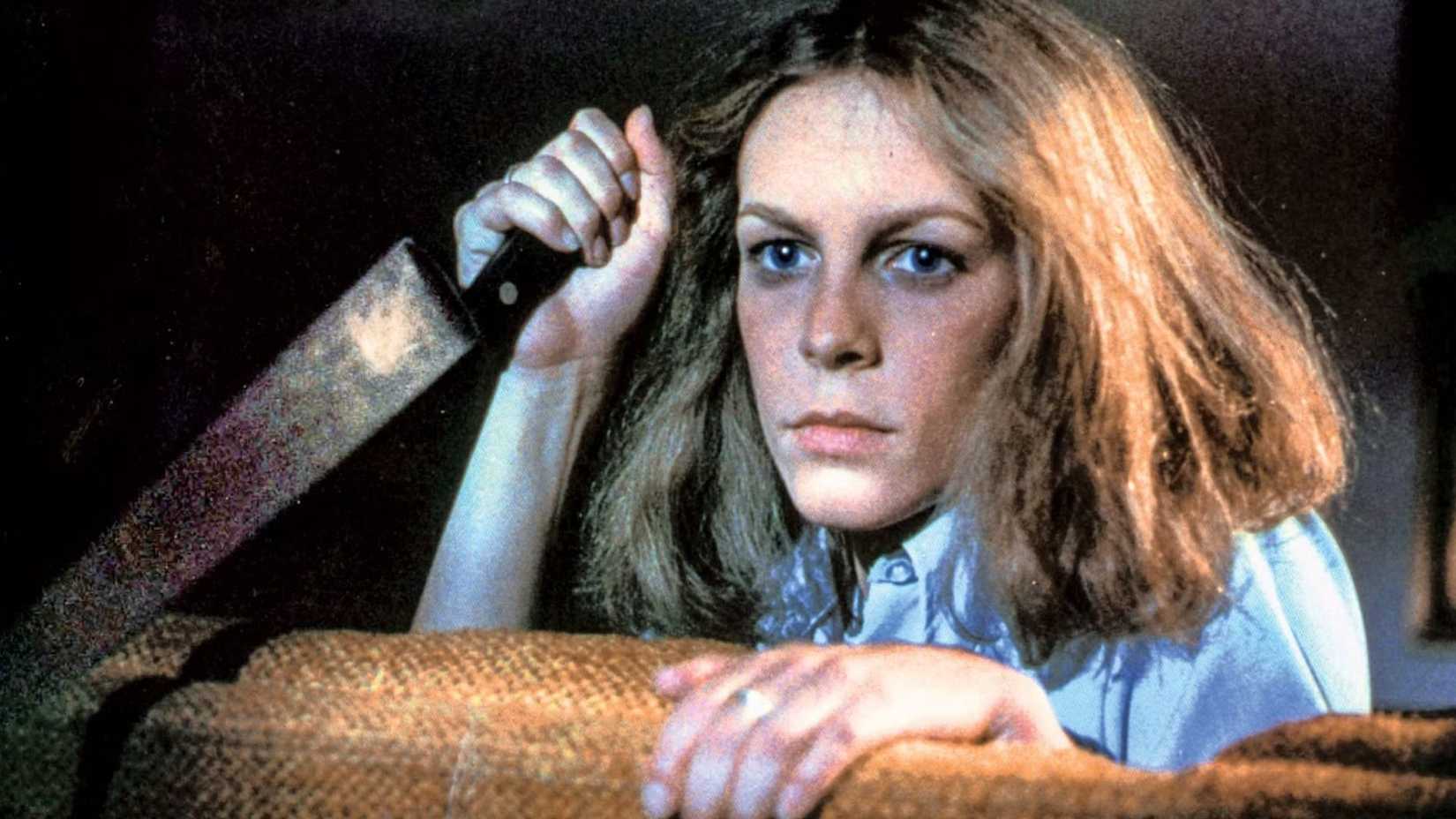
John Carpenter is regarded as one of the greatest horror movie filmmakers of all time and that reputation largely began when he introduced one of the greatest horror icons with Michael Myers. Halloween takes place in the small town of Haddonfield on Halloween night when escaped killed Michael Myers dons a mask and returns to his old neighborhood to terrorize young teens.
While the slasher movie genre had already begun, Halloween helped bring it to the mainstream with this grindhouse movie’s surprising box office success. Compared to modern horror movies and the rest of the Halloween franchise, the scares may seem somewhat tame, but it remains a hugely influential 70s horror masterpiece.
The Cabinet Of Dr. Caligari (1920)

The German Expressionist movement remains an incredibly influential era of cinema in the horror genre and The Cabinet of Dr. Caligari is one of the standout examples from it. The silent movie tells the story of a hypnotist who uses a sleepwalking man to commit murders. The twisted and dark visual style of the movie is instantly recognizable as well as the unusual sets.
This approach feels as though the audience is watching a nightmare come to life. Even without dialogue, the movie is an entirely engrossing and unforgettable experience that is a testament to how creepy visual storytelling can be.
The Thing (1982)
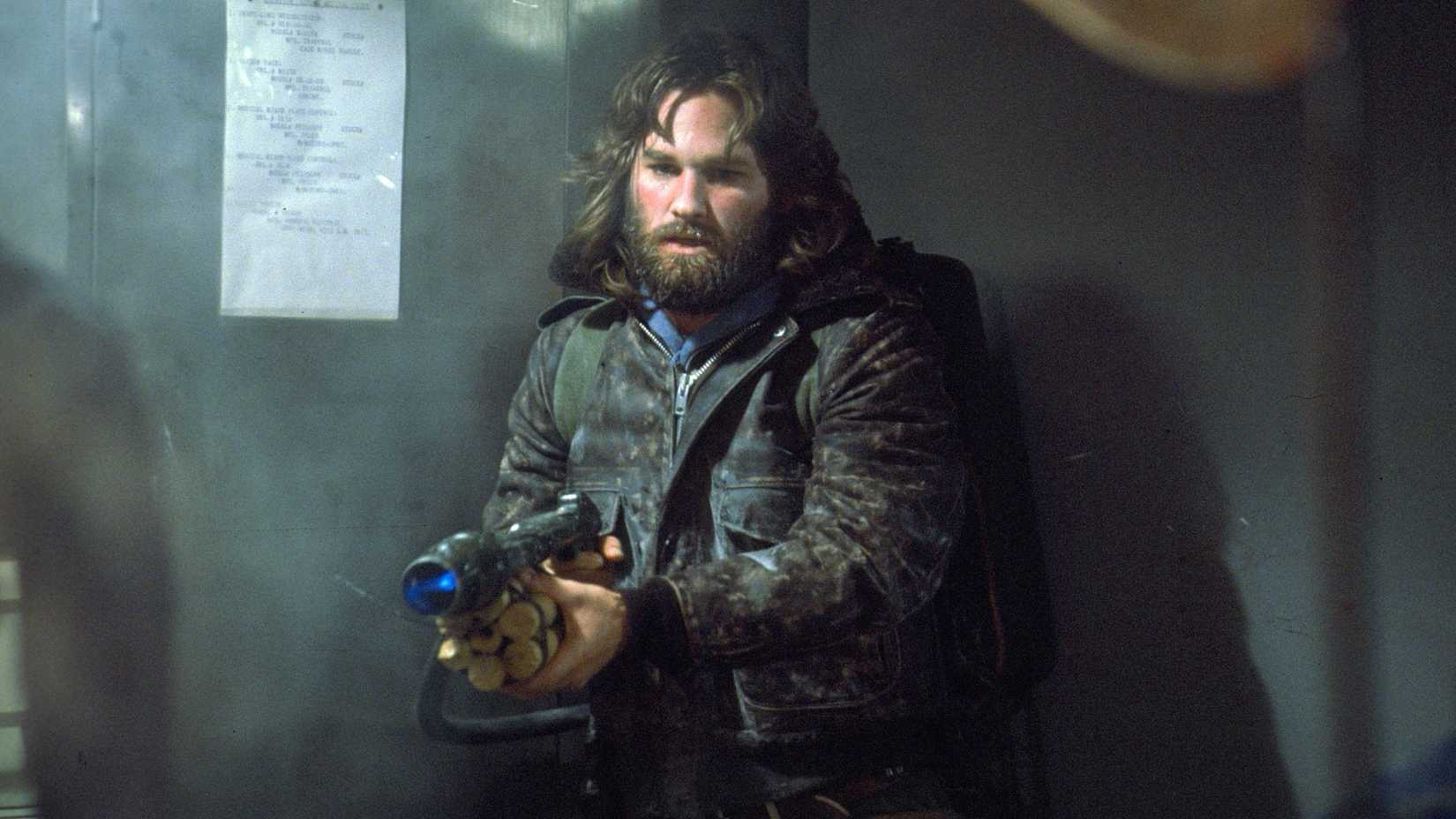
John Carpenter turned the slasher film into a cottage industry with Halloween, and he turned a combination of classic Hollywood, Chinese, and Italian filmmaking techniques and storytelling into something bold and new by running it through his tense, economical framing, and cutting.
The Thing, his remake of Howard Hawks and Christian Nyby’s The Thing From Another World, is a nasty little number, pitting a dozen men, led by a never-better Kurt Russell, against a shape-shifting extraterrestrial that’s woken up from its icy tomb after a thousand years or more. It takes the form of these men one at a time, pitting them against each other before they can get around to neutralizing the external threat.
The Thing remains a potent political film, as well as a model of genius practical effects by masters Stan Winston and Rob Bottin. What is even more impressive about this is that it wasn’t seen as one of the best horror movies of all time when it was released, flopping at the box office. However, years later, VHS made this a monster hit and reappraisals cemented its status as one of the best of the best.
The Haunting (1963)

Shirley Jackson’s 1959 novel, The Haunting of Hill House, has been adapted a number of times with each of its retellings taking distinct approaches to the story. As is the case with many successful horror titles, however, the original remains the best. Robert Wise’s The Haunting sees two women who had experiences with the paranormal arrive at an old country house with an unfortunate history at the behest of a doctor seeking to study the claims of haunting, bringing with him only the young heir to the house.
Together, the four suffer through uneasy conversation, even more awkward flirtations, and the terrorizing presence of a completely unseen force. It’s the disorientating angles and deceptively tight spaces of production designer Elliot Scott’s sets that give Hill House its chillingly uncanny personality, and it’s the perfect backdrop for a gothic tale of psychoanalytical terror.
Julie Harris’ lead, Eleanor, is played sympathetically, but she’s clearly unwell and the oppressiveness of the Rococo style of the house that looms in on the characters at all times becomes a reflection of this woman’s own inner turmoil that comes from her own unfortunate history. Considered one of the greatest haunted house movies, it has been praised for holding back when showing the ghosts, leaving the horror in the viewers’ minds.