
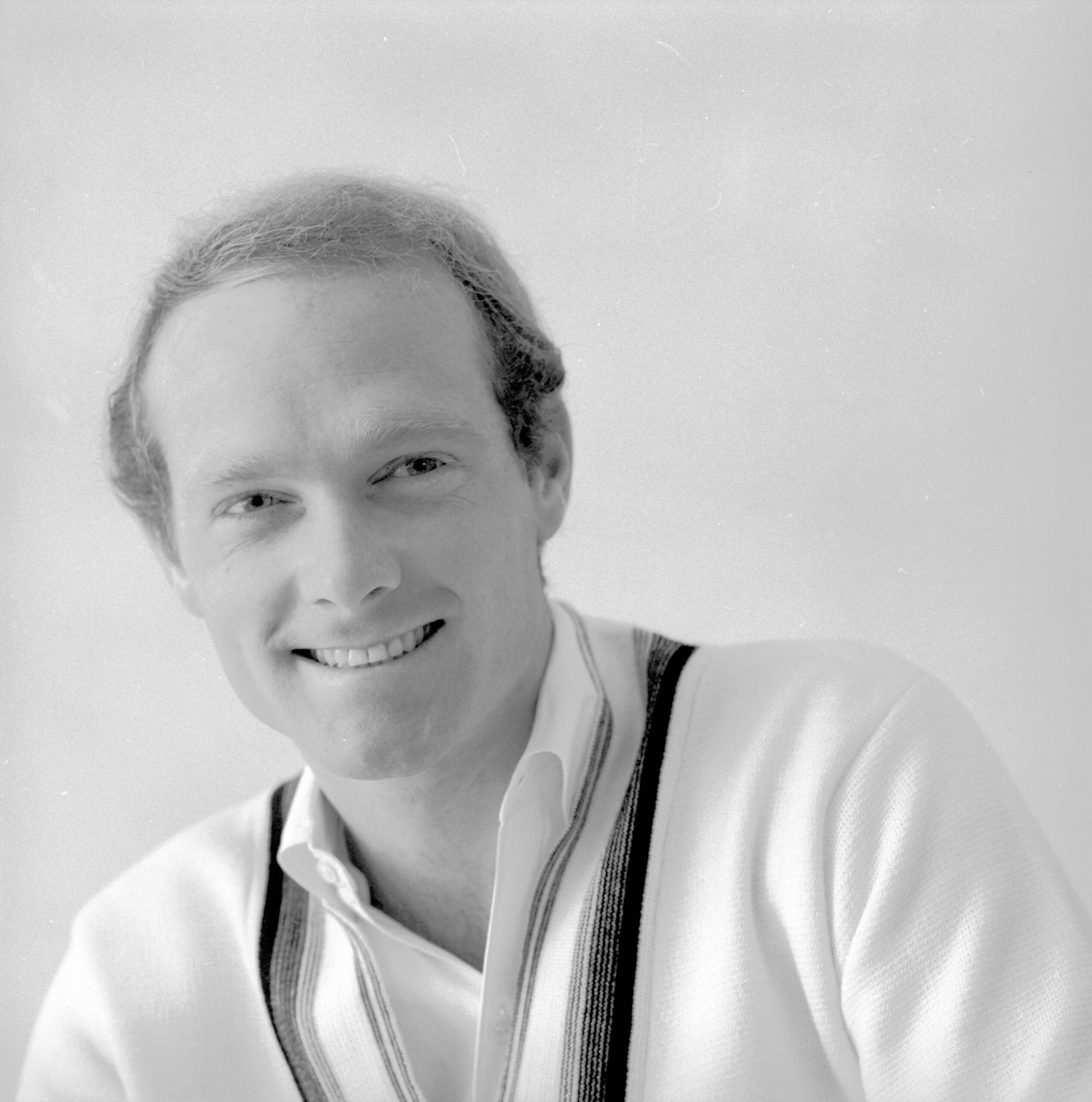
Mike Love, the Beach Boys co-founder whose bright, nasal tenor and sun-drenched lyrics helped define the sound of California pop, has died at 85. Love died Saturday (Nov. 28), in Malibu, Ca., surrounded by family, according to a statement from his publicist. No cause of death has been announced.
“An American cultural icon, he will be remembered for his singular talent and inspiration to generations of musicians,” it said. “We celebrate his remarkable contribution to American music and the joy he felt performing for his beloved fans.”
Love’s death comes just four months after he spoke with SPIN about the Beach Boys’ history, his complicated but enduring creative partnership with late cousin Brian Wilson and the music that bound them together. The conversation revealed glimpse of the songwriter behind some of the group’s most indelible hooks — and a man still eager to make the case for his contributions to the band’s legacy.
Asked to define his role alongside Wilson, Love described himself as “Wilson’s partner in lyrical, conceptual elements and great hooks.” Recalling the creation of “Good Vibrations,” he explained how Wilson would develop the music while he supplied the words: “Brian would come up with these great tracks — say ‘Good Vibrations’ with that killer bassline by Carol Kaye — and I would come across with lines like ‘I’m thinking about good vibrations, she’s giving me excitations.’ I complemented Brian’s brilliance in creating chord progressions with my hooks.”
Love also spoke warmly about the childhood connection that preceded their musical partnership, remembering singing Everly Brothers songs with Wilson in a car outside his family home and their shared experiences with gospel, doo-wop and Chuck Berry. “That musical DNA was as deep as our familial DNA,” he told SPIN. “Love transcends time.”
That affection existed alongside decades of friction. Love and Wilson’s creative and personal relationship was often contentious, with Love frequently challenging the narrative that Wilson was the Beach Boys’ sole creative force. In 1994, Love successfully sued for songwriting credit and royalties on 35 songs, including some of the group’s best-known recordings. The dispute helped correct a longstanding imbalance in the public accounting of his contributions, even as the pair’s disagreements — over music, money and the band’s direction — became part of the Beach Boys’ mythology.
In the SPIN interview, Love was also enthusiastic about the group’s less-celebrated experimental period, particularly the material collected on the archival box set We Gotta Groove: The Brother Studio Years. He defended the synth-heavy The Beach Boys Love You, calling the band’s work of that era an experiment in a different musical “form, or formula.” And he had no hesitation about the group’s place in punk history: “I think that we were punk. I know so.” He pointed to the band’s live cover of the Ramones’ “Rockaway Beach” as evidence.
Love was a founding member of the Beach Boys alongside Wilson and his brothers Dennis and Carl, as well as friend Al Jardine. Formed in Hawthorne, Ca., the group released its first single, “Surfin’,” in 1961, quickly turning the teenage pursuits of surfing, cars and romance into a distinctly American pop language. Love’s voice was central to the band’s exuberant early hits, including “Surfin’ U.S.A.,” “I Get Around,” “Help Me, Rhonda,” “California Girls” and “Be True to Your School.” He also co-wrote “Good Vibrations,” the group’s landmark 1966 single, and later helped write “Kokomo,” the 1988 chart-topper that introduced the Beach Boys, then pushing their 50s, to another generation.
As the group’s lineup and fortunes shifted, Love became its most persistent live ambassador, continuing to tour heavily under the Beach Boys name long after the deaths of Dennis Wilson in 1983 and Carl Wilson in 1998. The band was inducted into the Rock & Roll Hall of Fame in 1988, during which Love took seemingly out-of-nowhere peers such as the Rolling Stones’ Mick Jagger. He reunited with Brian Wilson, Jardine and surviving key members for the Beach Boys’ 50th anniversary tour in 2012 and the album That’s Why God Made the Radio.
Love’s final months brought growing concern about his health after he appeared severely frail and propped up in a chair while barely moving onstage. In October, longtime friend and collaborator John Stamos described him as facing “serious health challenges,” saying that doctors, family and friends had urged him to step away from performing, but that Love insisted on taking the stage. Stamos, who had played with the Beach Boys for 41 years, called Love his “father figure, musical hero and mentor,” and credited him with teaching him how to entertain, command a stage and connect with an audience.
Following Love’s death, Stamos shared a more personal farewell. “Tonight, I’ll cry myself to sleep. I can’t remember the last time I did that,” he wrote. “I’ve spent so much of my life celebrating the joy that he brought. Now I’m realizing that the deeper the joy, the deeper the sorrow.”
Love’s legacy was never without complications. His feuds with Wilson and other band members and legal battles over the group’s name and songwriting all complicated his public image. But his role in shaping the group’s sound — as a vocalist, lyricist, frontman and tireless keeper of its catalog — was undeniable. In SPIN’s July conversation, he described the Beach Boys’ greatest strength as their ability to subsume individual voices into something larger: “Those harmonies are amazing, not just the notes but the blend done in sublimation of the self, of one’s individuality, in favor of the group dynamic.”