
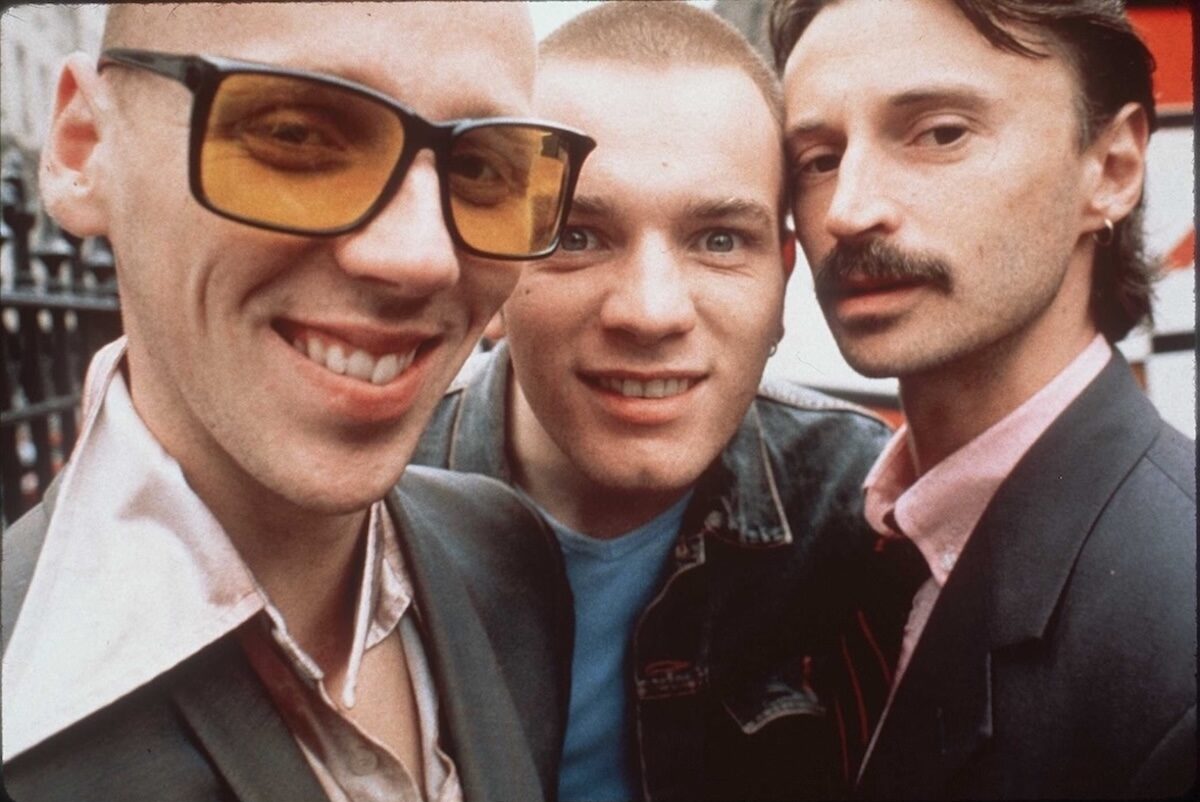
In 1996, when Trainspotting was released, it was provocative, but as a then 13 year old I didn’t see it right away. It was in the early 2000s when I became aware enough to contextualize and curate my tastes and opinions about the world I lived in, and for a teenager like me, the soundtrack was enough to rope me in. Iggy Pop, Pulp, and Blur paired with the stylized subject matter, was enough to sign me up for Danny Boyle season tickets for life. I was going to see everything he made because films like these and music like that spoke to me in a way I think spoke to a lot of other young people. Remember, we were still in a world when film could do that. It could poke at something inside of us, making it seem like a collective, organic discovery rather than an algorithmic decision driven by analytics and data.
This was a time when heroin still felt mythic. It was grim, but mythic. It was Burroughs, Miles Davis, and Kurt Cobain, but then something strange happened. It became the people I knew and went to school with. At first, it was distant; it was still a part of an underground subculture I only saw in books and movies full of charming junkies with great dialogue and even better taste in music. In the early-‘90s the heroin look became fashionable, labeled “chic.” Then, it insidiously crept into my periphery. It became reckless, and not in the way Trainspotting was reckless. It wasn’t that cool.
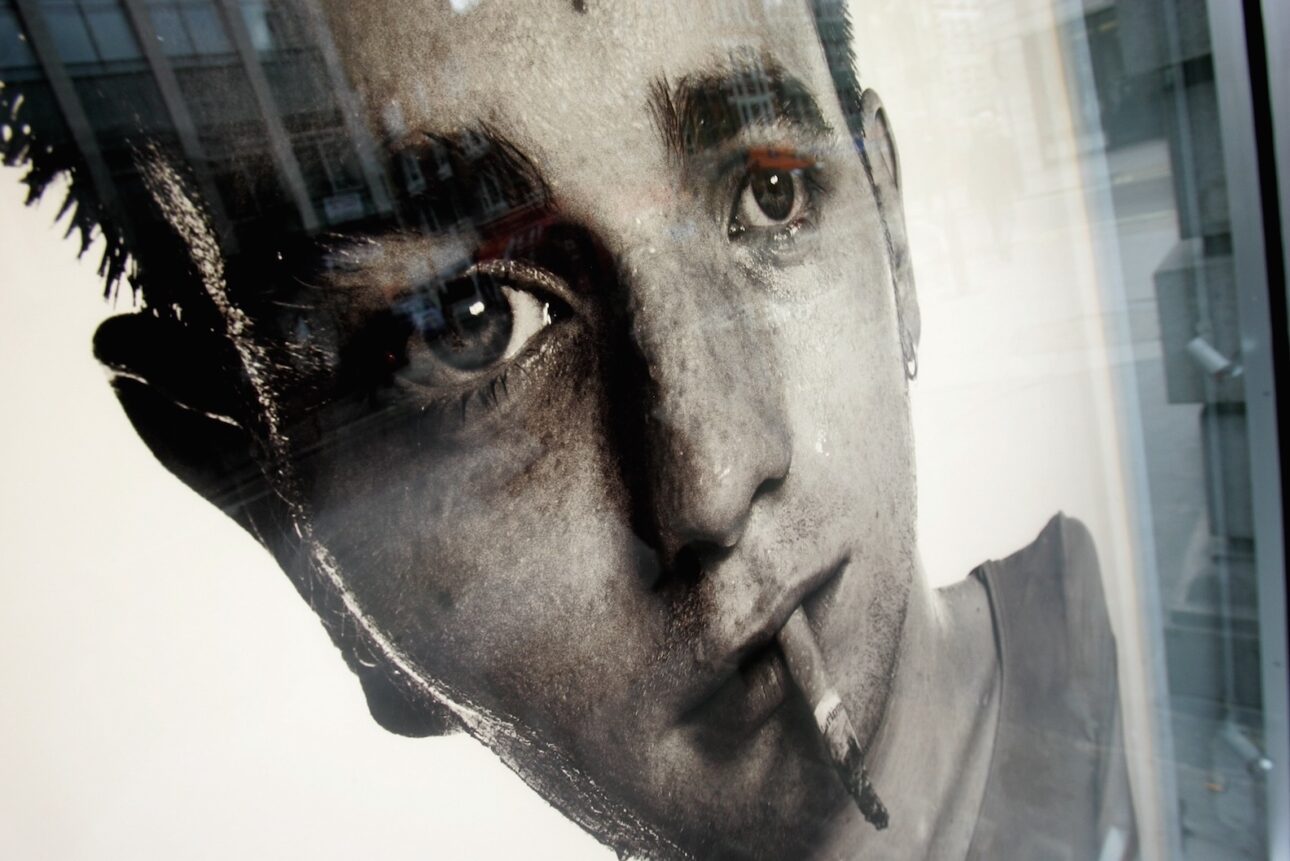
To me, the image of a heroin addict used to be one of a doomed romantic trying to numb themselves from the barbs and spikes life kept sticking into them. They were tortured souls with drops of hope left inside of them, holding onto the belief that one day their abilities could transcend their circumstances. Today, that image isn’t quite the same. Entire regions experience addiction every day, not as something romantic, but as something created by a system that was supposed to take care of them.
The pills were manufactured, the headlines followed, and then the obituaries, and what once felt like a glimpse into darkness a million miles away was suddenly right next door. You didn’t have to try to score opioids from some seedy character near the train tracks on the wrong side of town, because the seedy character with the “good shit” was a person you trusted wearing a white coat, handing out magic candy that was supposed to make the pain go away.
This turned the mythical heroin addict archetype into real-life human beings.
Knowing what we know now, and seeing what we have seen through the opioid crisis, doesn’t diminish the brilliance of Trainspotting. It just strips it of its fantasy and makes it feel more real. It was us that changed, not the movie. Our perspective has shifted. Opioid addiction wasn’t just a thing in fiction anymore. It travelled from books to movies to songs and into my friends’ caskets.
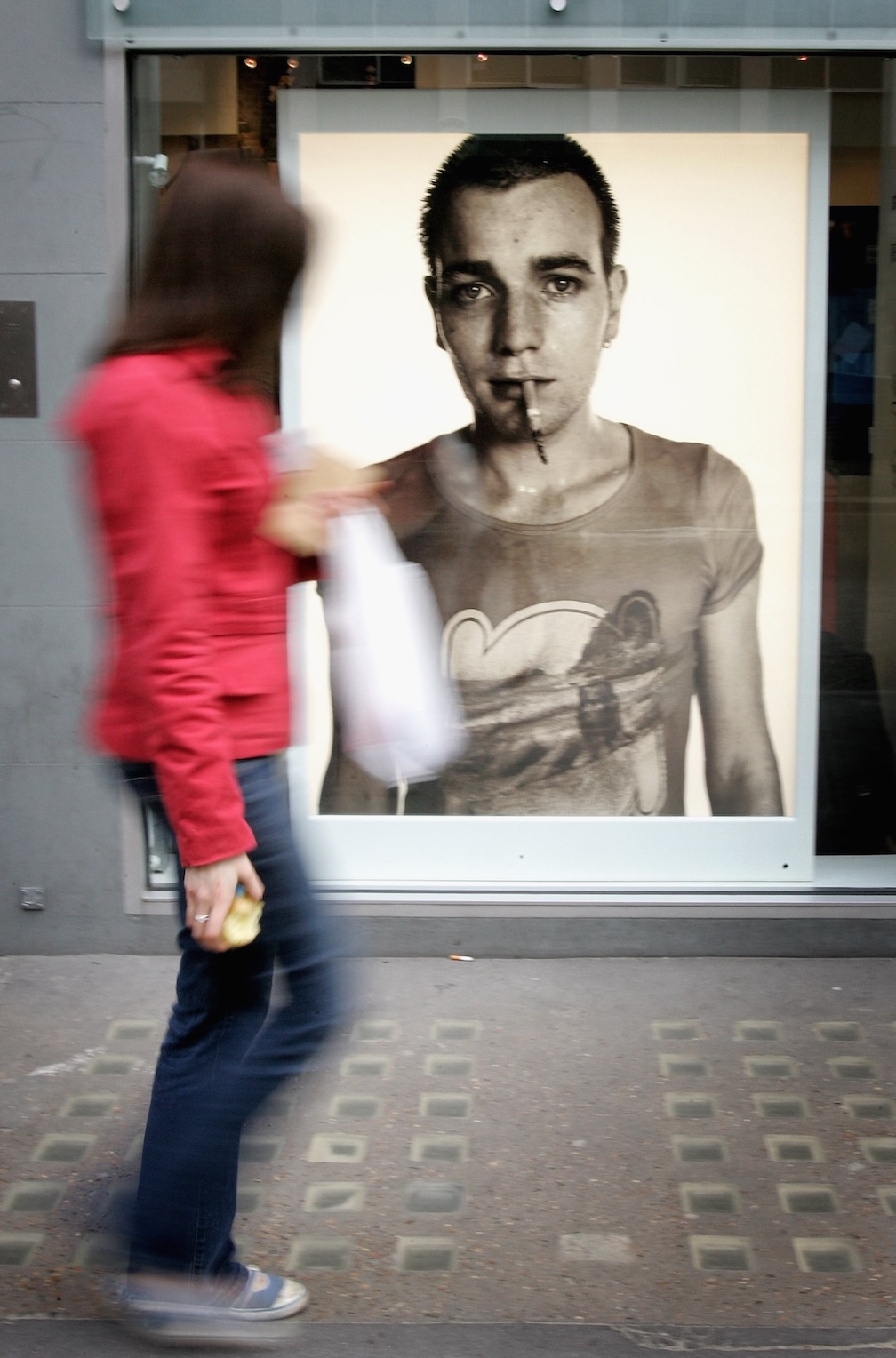
It does alter how I watch Trainspotting in 2026. What once felt shocking no longer does. I rewatched it a couple of days ago, and when I saw Ewan McGregor overdose, it made me wonder if that’s what my cousin felt before he went to the hospital, or what exactly the final moments of my friend Kyle’s life looked like before he died alone in an apartment.
What happens when the harshness of reality desensitizes us to the art designed to challenge our comfort and take us on a journey through the margins of society? The art doesn’t erode, but we do. We live in a time where the conversation is about video games, TV shows, and even pornography, desensitizing us to reality, because these things are somehow supposed to turn people who consume them into violent, hedonistic monsters. But when we take a bird’s-eye view of this, we’re not eroding because of the media we digest; we’re eroding because it is becoming increasingly harder to just exist in a world that genuinely doesn’t give a fuck about our suffering.
The genius of Trainspotting is that I think it does care about our suffering. It’s too cool to be that on the nose about it. It doesn’t lecture us or dress up redemption as something tidy and angelic. It recognizes something important about addiction and human beings that many people do not.
Addicts are human beings, and addiction isn’t just about pain and despair, but it’s also about the desire to want something more, and sometimes we crash very, very hard several times before we figure our shit out.
30 years later, Trainspotting still sprints, even though it doesn’t feel like rebellion anymore.
And that might be the most unsettling part about it.